🖋️ Can the ideas of a fourteenth-century thinker help us understand the challenges of modern societies?
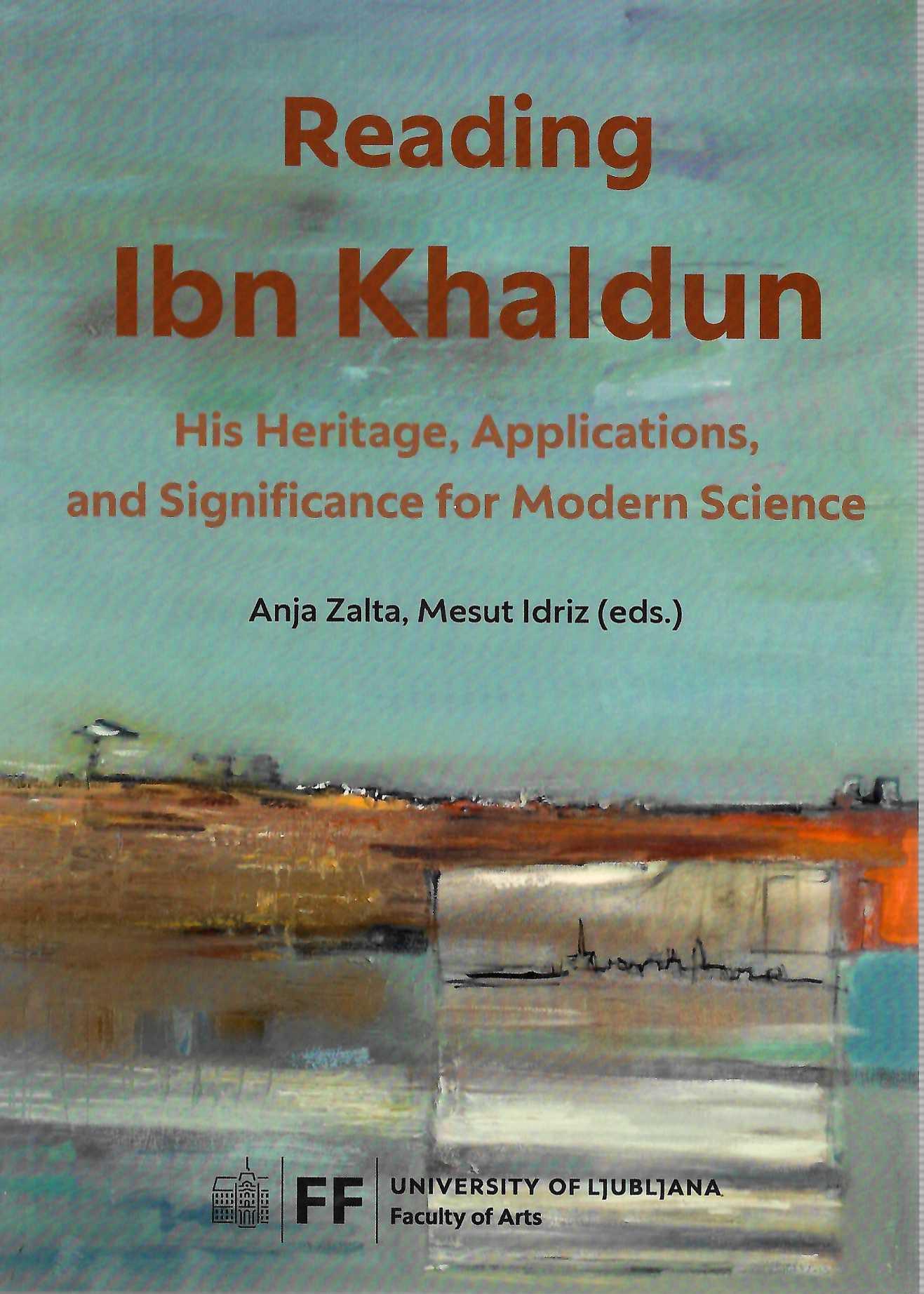
Reading Ibn Khaldun: His Heritage, Applications, and Significance for Modern Science is an interdisciplinary academic volume that examines the intellectual legacy of Ibn Khaldun (1332–1406) and explores the continuing relevance of his ideas to contemporary social sciences and humanities.
Best known for his influential work Muqaddimah, Ibn Khaldun developed theories of civilization, political power, social organization and economic change that continue to attract scholarly attention.
Bringing together international researchers, this volume approaches his work from a range of disciplinary perspectives, including sociology, political theory, economics, philosophy, education and cultural studies.
A central theme is ʿasabiyya, Ibn Khaldun’s concept of group solidarity and social cohesion. Several contributions examine its relationship to leadership, political authority, social capital and the rise and decline of civilizations.
Other chapters investigate his economic thought, particularly taxation and economic development, alongside his views on education, knowledge and cultural transformation.
The volume also explores the application and reception of Khaldunian thought in different historical and contemporary contexts. Case studies range from Nasrid Granada to the United Arab Emirates, while further contributions consider American social thought, gender relations in nomadic societies and the reception of Ibn Khaldun’s work in Bosnia and Herzegovina.
By connecting historical scholarship with contemporary questions of governance, diversity, social integration and economic development, Reading Ibn Khaldun offers a multidisciplinary reassessment of one of the most influential thinkers in Islamic intellectual history.
📌 For readers interested in:
- Islamic philosophy and intellectual history
- Sociology and social theory
- Political authority and the history of civilizations
- Economic thought and development
- Interdisciplinary approaches to historical and contemporary societies
✍️ About the Editors:
Anja Zalta is a scholar at the Faculty of Arts, University of Ljubljana. Her research interests include the sociology of religion and the study of religious and cultural phenomena. She also contributes a chapter examining Ibn Khaldun’s concept of ʿasabiyya in relation to gender relations in a nomadic society.
Mesut Idriz is affiliated with the College of Arts, Humanities, and Social Sciences at the University of Sharjah.
Together, they have edited an international collection of scholarly contributions examining Ibn Khaldun’s intellectual heritage from historical, theoretical and contemporary perspectives.
📖 About the Book / Edition:
Published in 2026 by the University of Ljubljana Press, this edited academic volume brings together contributions by international scholars.
🇸🇮 Slovenski povzetek:
Znanstveni zbornik obravnava intelektualno dediščino Ibn Halduna (1332–1406) in pomen njegovih teorij za sodobno družboslovje. Mednarodni raziskovalci njegove ideje o razvoju civilizacij, družbeni povezanosti, politični oblasti in gospodarstvu povezujejo z aktualnimi vprašanji družbenega razvoja, izobraževanja in kulturnih sprememb.
📑 Table of Contents:
- Introduction
Dr Anja Zalta and Dr Mesut Idriz
- From Plato to Ibn Khaldūn: Tracing the Idea of “Man is Madani by Nature” Across Greek Philosophy and Islamic Thought
Dr Badr Hamid Al-Harbi
- The Rise and Decline of Civilization: A Critical Analysis of Ibn Khaldun’s Theory
Dr Mashhad Al-Allaf
- Ibn Khaldun: A Pioneer of Economic Thought and Its Relevance Today
Dr Khaliq Ahmad, Mohammad Ibrahim and Tharakulath Moosa Sinan
- From Cohesion to Control: The Dynamics of ʿAṣabiyya in Ibn Khaldūn’s Theory of Leadership, Control and Order
Dr Hany T. Ibrahim
- Solidarity (ʿAṣabiyyah), Luxury (Taraf), and Subjugation (al-Ummah al-Maghlūbah): A Khaldūnian Interpretation of Nasrid Granada
Dr Ghadi Amer
- The Formulation of Taxes in the Thought of Ibn Khaldun
Dr Mona Mahmoud Idelbi
- Reading the Muqaddima: The Paradox of the Sixth Prolegomenon and Orientalism
Dr Rüdiger Lohlker
- Ibn Khaldun’s Theory of ʿAsabiyyah and Social Capital: A Theoretical Re-Reading
Dr Fatima A. D. Alghar bawi
- Ibn Khaldun and American Social Thought: The Dialectic of Reception and Intersection
Dr Suleiman Al Daher, Dr Labidi Bouabdallah, Khalifa Khalid Abdullah
- Bedouin and Urban Civilization in the Thought of Ibn Khaldun: Polarity or Complementarity
Dr Imen Helali
- Intellectual Education in Ibn Khaldun: A Psychological-Educational Approach
Dr Elhoussine Baadidi, Dr Chaimae Elmajdoubi, Dr Shaikha Nasir al Karbi
- Ministry of Tolerance in the UAE: A Practical Application of Ibn Khaldun’s Vision in Managing Diversity and Social Integration
Dr Noura Nsair Alkarbi
- The Reception of Ibn Khaldun’s Work in Journals in BiH
Sead Karišik
- Khaldunian Applications in Applied Sociology: A Contemporary Reading in Light of the Emirati Experience
Dr Shaikha Nasir Alkarbi
- Ibn Khaldun’s ʿAṣabiyyah and Gender Relations in a Nomadic Society: The Case of SADR
Dr Anja Zalta
- Summary
- Povzetek
- Name Index
- About the authors